Successfully reducing pressure ulcers
26 September 2025
In this blog Joan Douglas highlights a successful scheme to reduce pressure ulcers through the routine use of hand-held scanners.
Improvement
Prevention

Joan Douglas
Associate Director of Quality Effectiveness & Accreditation,
Central London Community Healthcare NHS Trust
It’s estimated that just under half a million people in the UK will develop at least one pressure ulcer in any given year. These wounds cause pain and suffering and significantly impact a person’s quality of life. The financial impact to the NHS is approximately £2.2 billion a year and the costs of litigation are rising annually.
Last year we at Central London Community Healthcare NHS Trust (CLCH) reduced the number of new pressure ulcers in our bedded units by more than a fifth, from 65 to 51. Our clinical teams, who are committed to the prevention of all avoidable pressure ulcers in our bedded units, are integral to this success. Our staff are more confident about undertaking skin assessments. Patients at risk of pressure ulcers are getting tailored interventions earlier and our network of practice development nurses, who largely led the change, have further developed their skills and expertise in quality-focused leadership.
This work fits with our wider commitment to providing the best possible, high-quality patient care, and to moving from treating sickness to preventing it.
So what did we do and how did we do it?
Sub Epidermal Moisture (SEM) scanners are hand-held devices which detect skin changes before they’re visible and they’re used across the UK in various healthcare settings, including NHS hospitals, community care and palliative care, but this technology is still advanced in its field.
We rolled out SEM scanners to all 11 of our bedded units. Our staff have been fully trained to make use of the scanners, which are used to detect excess moisture under the skin covering the sacrum (tailbone) and heels.
Staff explain the purpose of the scans to patients, get their consent, interpret the readings to identify their risk of skin breakdown, and plan follow-up actions as necessary.
Patients are scanned daily for three days when admitted. Then, if they are at no immediate risk, scanning reduces to once every three days.
For those who are at risk, staff continue with daily scanning and deploy anatomically targeted early interventions: additional pressure relieving measures and/or doing more to get them moving, as appropriate.
This adds to what we already routinely do: provide all patients admitted to our bedded units with appropriate pressure relieving equipment and support to move as part of their rehabilitation.
We have found that patients are generally happy to have a SEM scan because they are quick to complete and non-invasive. And as we involve patients in their care, we have seen some patients who are really interested in the scanning process – asking to know their readings every time.
Our SEM scanner journey began in late 2019, just before the pandemic. We conducted a six-week trial of the scanners in two of our bedded units and were thrilled that no patients developed new pressure ulcers.
When the pandemic started, we were able to keep using the scanners in those units for an extra two years. There was a sustained and significant drop in new pressure ulcers during this time. As a result of this successful trial, our executive team approved funding in 2023/24 to purchase enough scanners for all our bedded units, both community and neuro rehab, across north west London, north central London, and Hertfordshire, so there is one scanner for every 10 beds.
If a staff member is caring for a patient with a pressure ulcer, this does involve more resource, for example, input from a tissue viability nurse, medical dressings and potentially ongoing support from the district nursing team following discharge from our in-patient beds.
What made this happen?
Looking back, I realise there have been several different factors contributing to our successful introduction of SEM scanners and reduction of new pressure ulcers.
We needed and received strong commitment from the CLCH leadership. Their support made it possible for us to adopt these new devices that have helped reduce the prevalence of harm.
We have a strong commitment to quality improvement, in which our practice development nurses play a key part. Their leadership was crucial to rollout of the scanners across each of our trust divisions.
Then there’s the patient-centred enthusiasm and willingness to learn of our staff. It was great to see how they took to this new tool and their ability to explain the benefits of scanning in a way that secures buy-in from patients.
And, last but not least, we have the right equipment and sufficient staff to provide the scans.
Together, these are the things that have helped us save more patients from the pain of pressure ulcers and enable faster rehabilitation.
If you would like to know more about our work or to discuss experiences of successfully tackling pressure ulcers, please contact me at joandouglas@nhs.net. I would be delighted to hear from you.
- News
Signs of progress on maternity care
10 Dec 2025Daniel Elkeles responds to the care Quality Commission's annual national maternity survey.
Regulation
Improvement
 Case study
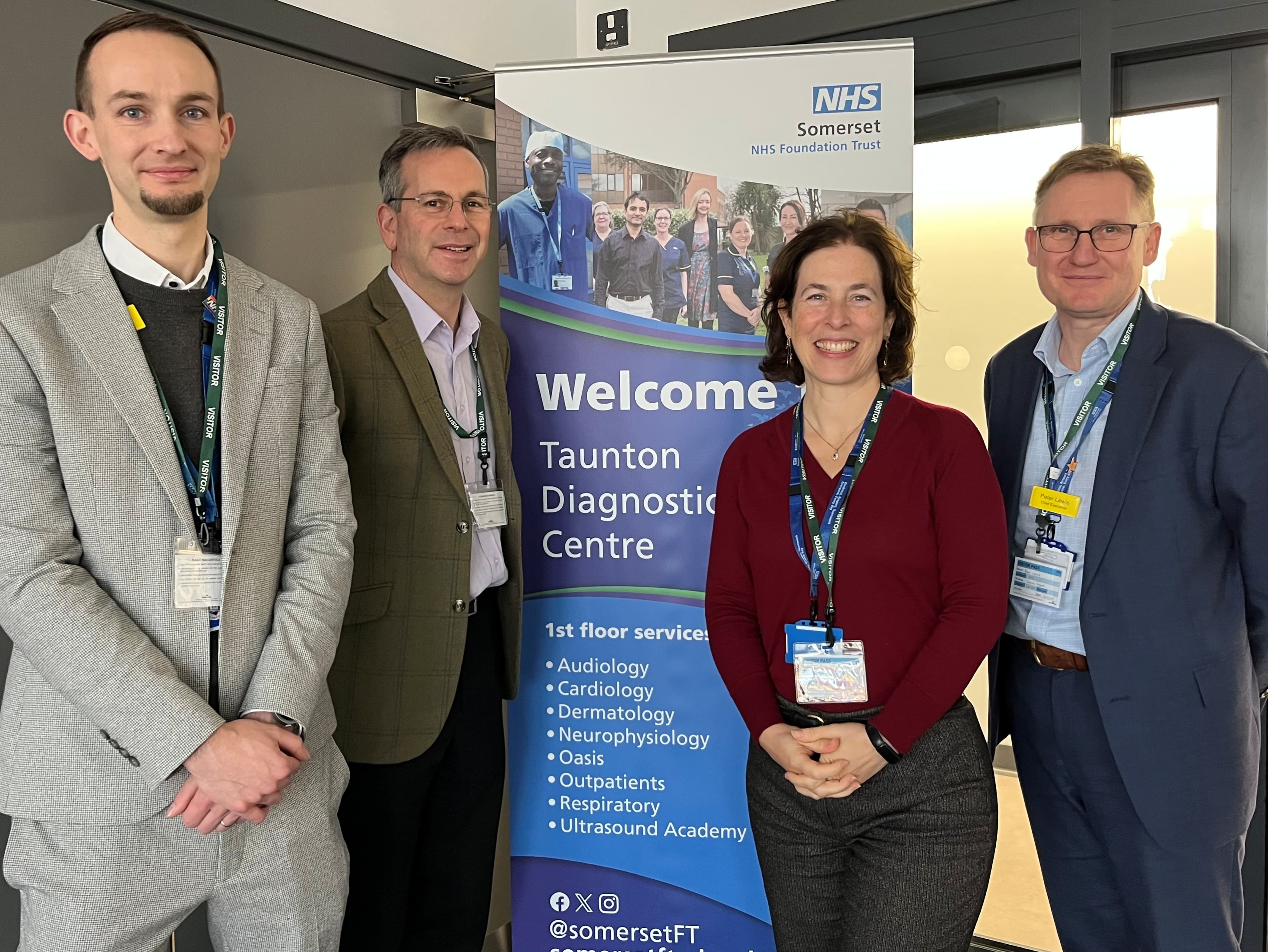
Visit to Somerset NHS Foundation Trust
27 Nov 2025Our chief executive visited Taunton Diagnostic Centre in Somerset, part of a county-wide network transforming access to diagnostics and outpatient care across Somerset Foundation Trust.
Delivery and performance
Improvement
Quality
 Case study
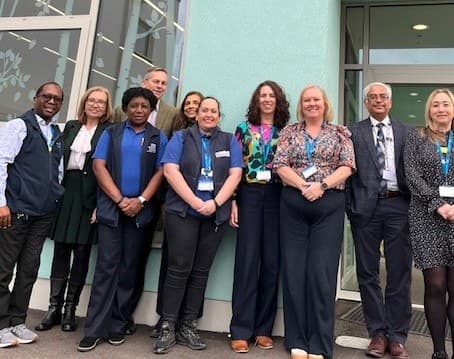
Visit to Silverwood Hospital, Surrey and Borders Partnership NHS Trust
20 Nov 2025Our chief executive visited Silverwood Hospital in Chertsey, Surrey one of the two inpatient facilities for Surrey and Borders Partnership NHS Trust.
Community
Improvement
 Case study
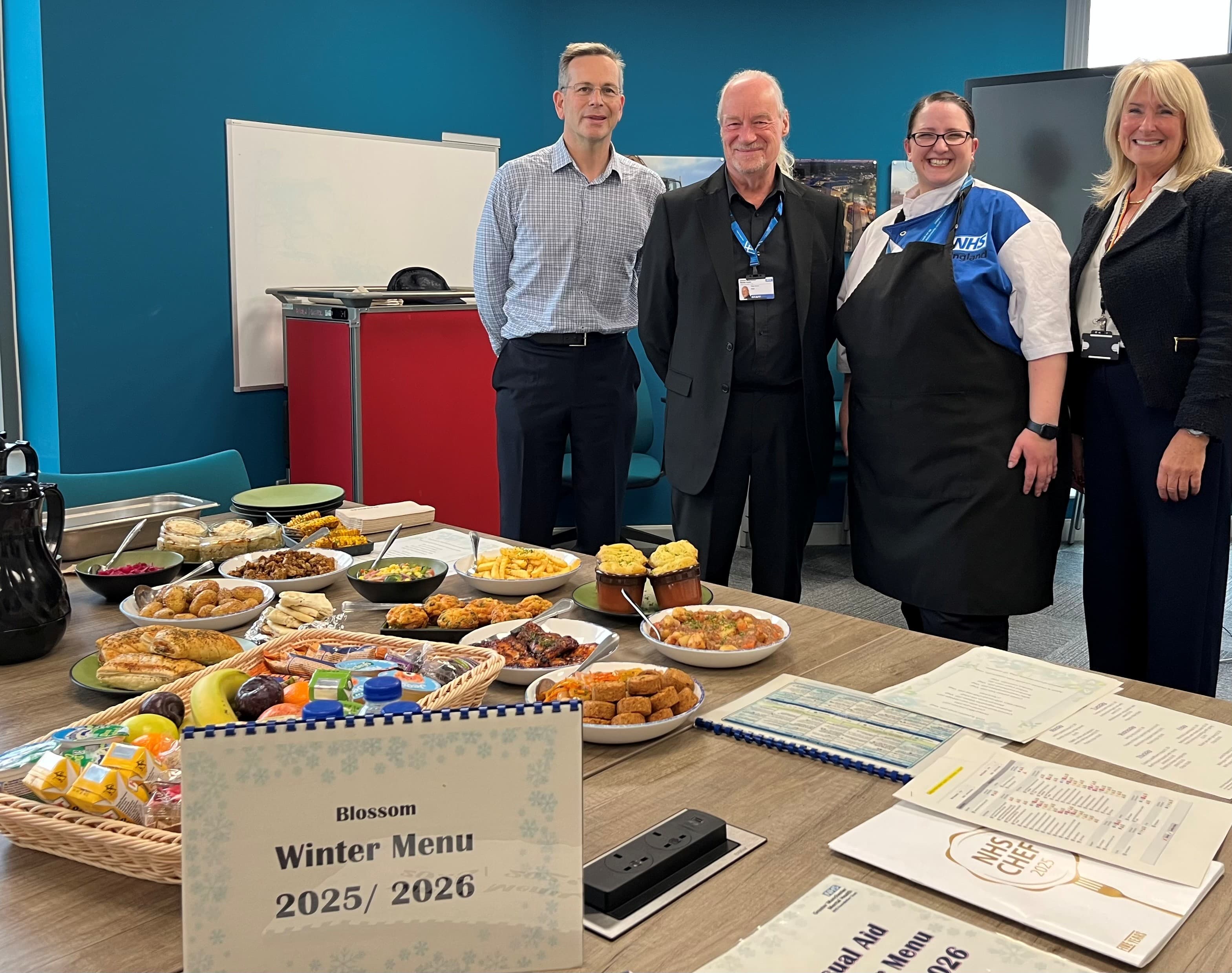
Visit to Greater Manchester Mental Health NHS Foundation Trust
14 Nov 2025Our chief executive, Daniel Elkeles, recently visited North View in Crumpsall, a key inpatient site for Greater Manchester Mental Health, which is on an impressive journey of recovery and renewal.
Improvement
Delivery and performance
- News
Providers Deliver on the 10-year health plan: We can do this!
4 Nov 2025Daniel Elkeles welcomes the launch of a new NHS Providers podcast mini-series celebrating trailblazing trust that are bringing the 10-year health plan to life.
Ambulance
Community
Improvement
Mental health
 Insights
Championing efficiency, productivity and quality of care
31 Oct 2025In this blog, Andrew New, chief executive officer of NHS Supply Chain, discusses how together we can address today’s challenges and successfully achieve tomorrow’s transformation.
Quality
Improvement